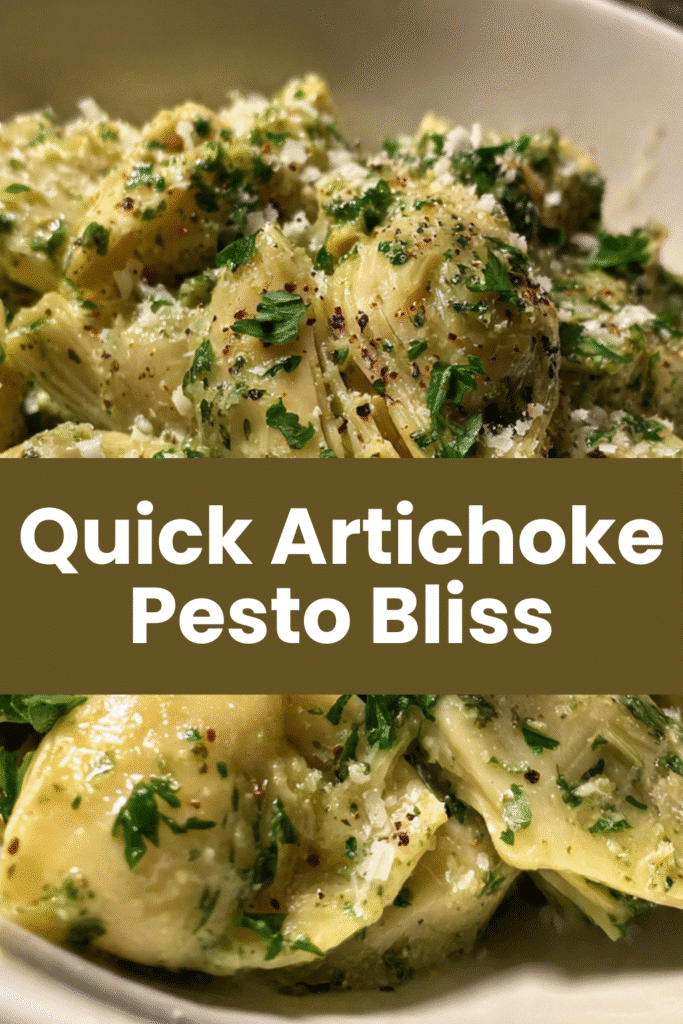
Artichoke Pesto transforms ordinary meals into restaurant-quality dishes with just five simple ingredients. This nut-free version offers all the creamy, tangy goodness you crave without common allergens. Best of all, it comes together in just 10 minutes with minimal cleanup required.
Why You’ll Love This Recipe
- Completely nut-free, making it safe for school lunches and allergy-friendly gatherings
- Ready in 10 minutes from start to finish with almost no cooking required
- Uses just five ingredients you can find at any grocery store
- Tastes brighter and fresher than anything you’ll find in a jar
- Naturally vegan and oil-free for healthier eating without sacrificing flavor
Equipment Needed
- Food processor or high-powered blender
- Measuring cups and spoons
- Rubber spatula for scraping
- Can opener
- Paper towels for draining
- Storage container with lid

Artichoke Pesto Recipe
- Total Time: 10 minutes
Description
Easy artichoke pesto recipe that’s vegan, nut-free, and made with just 5 simple ingredients. Perfect for pasta, sandwiches, pizza, or as a dip. Ready in just 10 minutes with no cooking required.
Ingredients
1½ cups artichoke hearts, drained (14 oz can)
½ cup fresh parsley (flat-leaf or curly)
3 cloves garlic (or 1 teaspoon garlic powder)
3 tablespoons fresh lemon juice
2 tablespoons sunflower seeds, unsalted
Salt and black pepper to taste
Instructions
1. Drain artichoke hearts thoroughly and press between paper towels to remove excess moisture. Quarter large pieces if needed.
2. Add sunflower seeds to food processor and pulse 4-5 times until roughly chopped.
3. Add drained artichokes, fresh parsley, quartered garlic cloves, and lemon juice to the food processor with the chopped seeds.
4. Process for 30-60 seconds, stopping to scrape down sides with a rubber spatula 2-3 times. Blend until you reach your desired consistency (chunky or smooth).
5. Taste and adjust seasoning with more lemon juice, salt, and pepper as needed. Transfer to an airtight container and refrigerate until ready to use.
Notes
Use artichokes packed in water or light brine, not oil.
Frozen artichokes work well – thaw completely and press out moisture first.
Hemp seeds or pumpkin seeds can replace sunflower seeds.
Add fresh basil leaves for more traditional pesto flavor.
Store in airtight container in refrigerator for up to 1 week.
Not recommended for freezing as it becomes watery when thawed.
Add nutritional yeast or miso paste for umami, cheesy flavor.
Toast sunflower seeds in a dry pan for 3-4 minutes for deeper flavor.
- Prep Time: 5 minutes
- Cook Time: 5 minutes
- Category: Condiment
- Method: No-Cook
- Cuisine: Mediterranean
Nutrition
- Calories: 56
- Sugar: 1g
- Sodium: 492mg
- Fat: 2g
- Saturated Fat: 0g
- Unsaturated Fat: 2g
- Trans Fat: 0g
- Carbohydrates: 7g
- Fiber: 3g
- Protein: 2g
- Cholesterol: 0mg
Ingredients You’ll Need
- 1½ cups artichoke hearts, drained (14 oz can)
- ½ cup fresh parsley (flat-leaf or curly)
- 3 cloves garlic (or 1 tsp garlic powder)
- 3 tbsp fresh lemon juice
- 2 tbsp sunflower seeds, unsalted
- Salt and black pepper to taste
Ingredient Notes
Canned artichoke hearts work perfectly for this recipe. Choose artichokes packed in water or light brine, not oil. Frozen artichoke hearts also work well if you thaw them completely first and press out excess moisture.
Sunflower seeds replace traditional pine nuts while keeping this pesto nut-free and budget-friendly. Hemp seeds or pumpkin seeds make excellent substitutes if you prefer different flavors. Toast seeds lightly for deeper, nuttier taste.
Fresh parsley brightens the flavor and adds beautiful green color. Flat-leaf parsley tastes slightly milder while curly parsley brings more peppery notes. Adding fresh basil creates a more traditional pesto flavor profile.
Step-by-Step Instructions
Step 1: Prep the Artichokes
Drain artichoke hearts thoroughly and press between paper towels to remove excess moisture. Too much water makes your pesto runny and dilutes the flavor. Quarter large artichoke pieces for easier blending.
Step 2: Process the Seeds
Add sunflower seeds to your food processor and pulse 4-5 times until roughly chopped. This creates the right texture base for creamy pesto. Breaking down seeds first prevents large chunks in the final product.
Step 3: Add Remaining Ingredients
Add drained artichokes, fresh parsley, garlic cloves, and lemon juice to the food processor with the chopped seeds. Quarter garlic cloves before adding to ensure they blend completely without leaving large chunks.
Step 4: Blend Until Smooth
Process mixture for 30-60 seconds, stopping to scrape down sides with a rubber spatula 2-3 times. Blend until you reach your desired consistency, whether chunky or completely smooth. Taste and adjust lemon juice, salt, and pepper as needed.
Step 5: Store and Serve
Transfer finished pesto to an airtight container. Use immediately or refrigerate for up to one week. Stir before using as ingredients may separate slightly during storage.
Pro Tips & Cooking Hacks
- Squeeze artichokes dry like a sponge for thickest, creamiest texture
- Add fresh basil leaves for more traditional pesto flavor
- Use a blender if you don’t have a food processor, adding ingredients in batches
- Toast sunflower seeds in a dry pan for 3-4 minutes for deeper flavor
- Add nutritional yeast for cheesy, umami taste without dairy
- Freeze pesto in ice cube trays for perfect single-serving portions
Tips & Variations
Make this pesto even more flavorful by adding a tablespoon of nutritional yeast or miso paste. These ingredients create savory, umami depth that mimics Parmesan cheese. A pinch of red pepper flakes adds gentle heat.
Thin pesto with pasta cooking water, vegetable broth, or extra lemon juice if it’s too thick. For richer texture, blend in a tablespoon of tahini or olive oil. Each variation changes the flavor profile slightly.
Swap parsley for fresh spinach or arugula for peppery bite. Mix in sun-dried tomatoes for sweeter, more complex flavor. Roasted red peppers create beautiful color and subtle smokiness.
Serving Suggestions
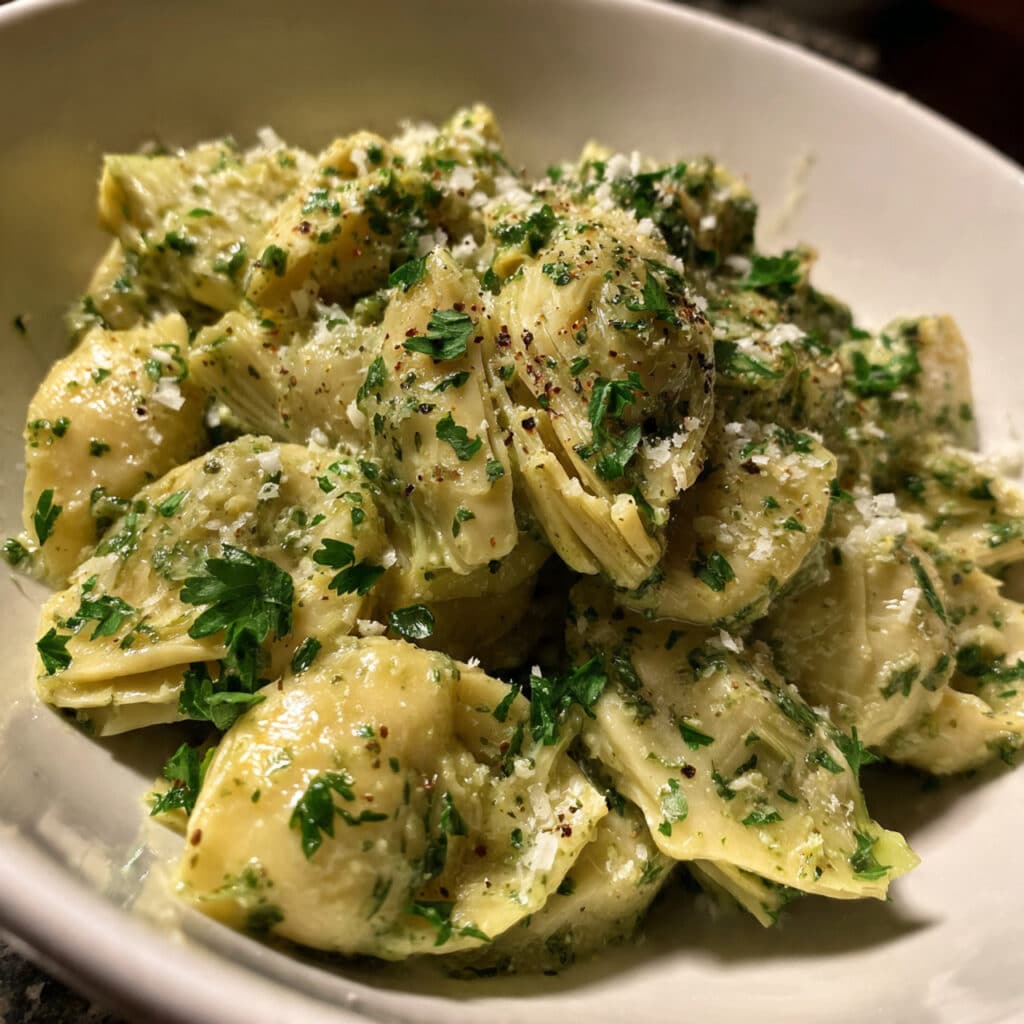
Toss Artichoke Pesto with hot pasta and reserved pasta water for quick, satisfying dinner. Spread on toasted bread or bagels for bruschetta-style appetizers. Use as a flavorful sandwich spread instead of mayonnaise.
Serve as a dip with fresh vegetables, crackers, or pita chips for parties. Spread on pizza dough before adding toppings for gourmet homemade pizza. Mix into scrambled eggs or omelets for breakfast with Mediterranean flair.
Common Mistakes
- Not draining artichokes thoroughly, resulting in watery, thin pesto
- Using jarred garlic instead of fresh, which tastes flat and processed
- Over-blending until mixture becomes paste instead of textured pesto
- Forgetting to scrape down sides, leaving chunks unblended
- Using artichokes packed in oil when recipe calls for water-packed
- Skipping salt entirely, making pesto taste bland despite other flavors
What to Serve With Artichoke Pesto
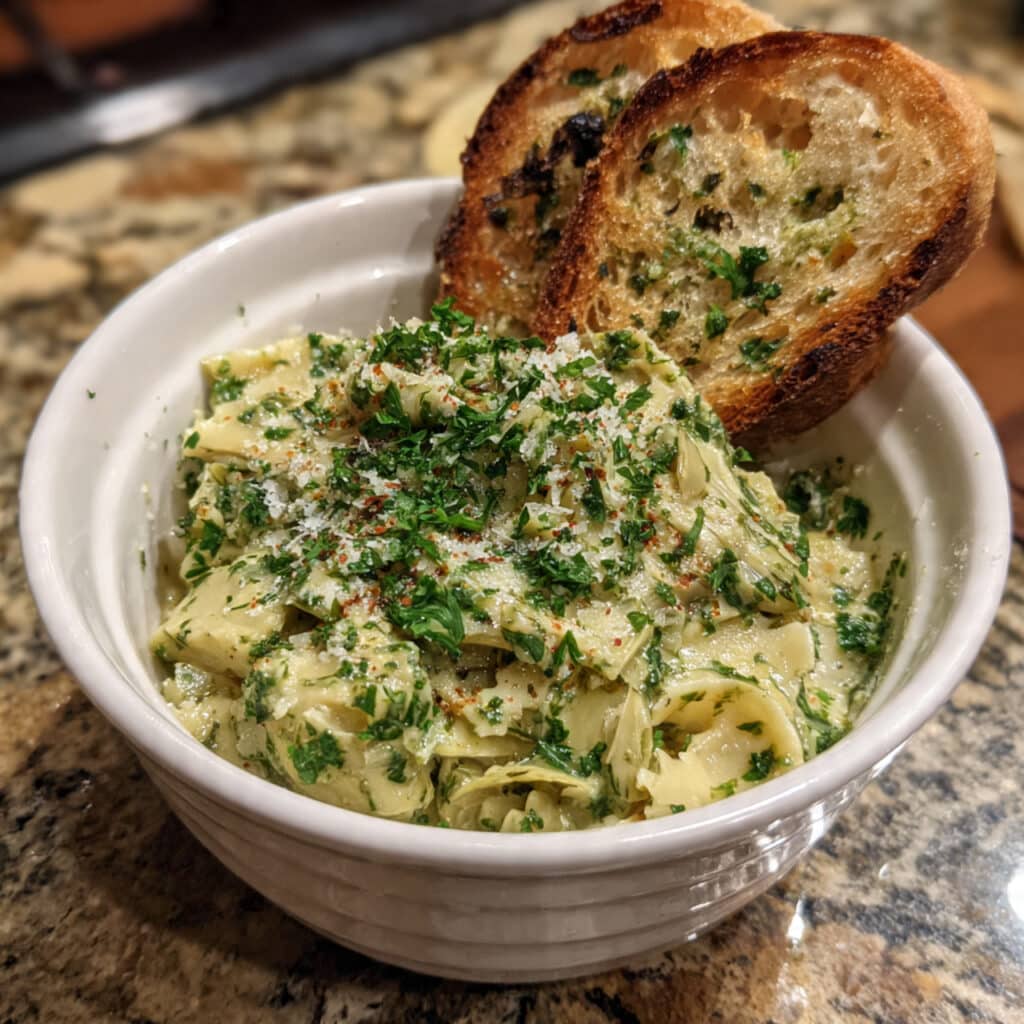
Pair artichoke pesto pasta with simple side salad dressed with vinaigrette. Grilled chicken or fish complements the bright, lemony flavors perfectly. Roasted vegetables like zucchini, bell peppers, or cherry tomatoes round out the meal.
For lighter fare, serve pesto with raw vegetable crudités including carrots, celery, and bell peppers. Whole grain crackers or toasted baguette slices work beautifully for spreading. A crisp white wine or sparkling water with lemon makes refreshing beverage pairing.
Frequently Asked Questions
Can I freeze artichoke pesto?
While you can freeze it, the texture becomes watery when thawed and flavors dilute. Refrigeration for up to one week works better for maintaining quality.
What can I use instead of sunflower seeds?
Hemp seeds, pumpkin seeds, or pine nuts all work wonderfully. Each brings slightly different flavor, so choose based on preference and dietary needs.
How long does homemade pesto last?
Stored in an airtight container in the refrigerator, artichoke pesto stays fresh for up to one week. Always stir before using.
Can I add cheese to this recipe?
Absolutely! Add ¼ cup grated Parmesan or nutritional yeast for cheesy flavor. This makes the pesto taste even more traditional.
Why is my pesto too thick?
Thin pesto with lemon juice, pasta water, or vegetable broth one tablespoon at a time. Blend again briefly to incorporate liquid smoothly.
💬 Tried this recipe? Leave a comment and rating below!