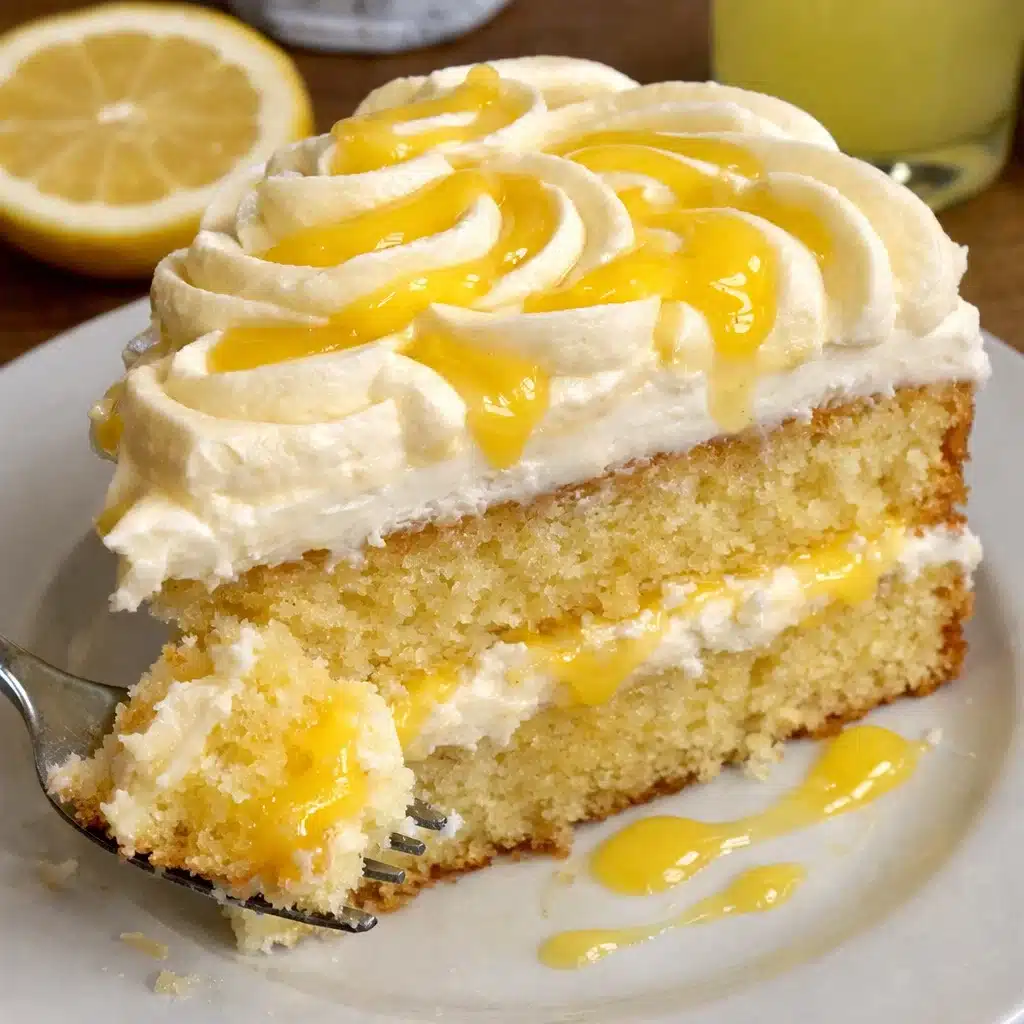
Limoncello mascarpone cake is the ultimate show-stopping dessert that brings a taste of the Italian coast right to your kitchen. Imagine a tender, citrus-soaked cake infused with authentic limoncello liqueur, topped with clouds of silky mascarpone frosting that melts on your tongue.
I first tasted a version of this at a friend’s summer garden party, and I’ve been obsessed ever since—it’s become my go-to for Easter brunches, Mother’s Day celebrations, and any time I want to impress without spending all day in the kitchen. The combination of bright lemon, boozy limoncello, and rich mascarpone creates an elegant yet approachable cake that tastes like you ordered it from an Italian bakery.
Why You’ll Love This Recipe
- Restaurant-quality flavor at home – The limoncello adds sophisticated depth that you simply can’t get from lemon extract alone
- Moist and tender crumb – Olive oil and sour cream keep this cake incredibly soft for days
- Make-ahead friendly – Bake the cake a day early and frost just before serving
- Not overly sweet – The tangy lemon and mascarpone balance the sugar perfectly
- Versatile for any occasion – Elegant enough for dinner parties, casual enough for weekend family dessert
- Unique texture – The mascarpone frosting is lighter than buttercream but more stable than whipped cream
Equipment Needed
- 9-inch round cake pan
- Parchment paper
- Two large mixing bowls
- Medium bowl
- Electric hand mixer or stand mixer
- Whisk
- Rubber spatula
- Measuring cups and spoons
- Microplane or zester (for lemon zest)
- Toothpick or cake tester
- Cooling rack
- Offset spatula or butter knife (for frosting)

Limoncello Mascarpone Cake
- Total Time: 1 hour (plus 2 hours cooling time)
Description
This limoncello mascarpone cake combines the best of Italian dessert traditions in one stunning recipe. The cake itself is incredibly moist thanks to olive oil and sour cream, while fresh lemon zest, juice, and authentic limoncello liqueur create layers of bright citrus flavor. Unlike heavy buttercream-frosted cakes, the mascarpone frosting is light, creamy, and just sweet enough to balance the tangy lemon.
Ingredients
For the Limoncello Lemon Cake:
- 2 cups all-purpose flour
- 2 teaspoons baking powder
- ½ teaspoon salt
- 1¼ cups granulated sugar
- Zest of 2 lemons (about 2 tablespoons)
- 3 large eggs, room temperature
- ¾ cup olive oil (or vegetable/canola oil)
- ½ cup limoncello liqueur
- ¼ cup fresh lemon juice (about 1–2 lemons)
- ¼ cup sour cream, room temperature (or full-fat Greek yogurt)
For the Mascarpone Frosting:
- 8 oz mascarpone cheese, cold
- 1 cup powdered sugar (also called confectioners’ sugar)
- 2 teaspoons vanilla extract
- 1 cup cold heavy whipping cream
Optional Garnish:
- ¼–½ cup lemon curd (store-bought or homemade)
- Additional lemon zest for topping
- Fresh berries
- Candied lemon slices
Instructions
Preheat your oven to 350°F (175°C). Grease a 9-inch round cake pan with butter or non-stick spray, then line the bottom with a circle of parchment paper. Grease the parchment too
In a medium bowl, whisk together the flour, baking powder, and salt until well combined. Set aside.
In a large bowl, combine the granulated sugar and lemon zest. Using your fingertips, rub the zest into the sugar for about 30 seconds until fragrant and the sugar looks slightly damp.
Add the eggs to the sugar-zest mixture. Using an electric mixer on medium-high speed, beat for 2–3 minutes until the mixture is light, pale yellow, and fluffy.
With the mixer on low speed, slowly drizzle in the olive oil until fully incorporated. Then add the limoncello, lemon juice, and sour cream, mixing just until combined.
Add the flour mixture to the wet ingredients all at once. Mix on low speed (or fold by hand with a spatula) just until no flour streaks remain. Don’t overmix or your cake will be tough
Pour the batter into your prepared pan and smooth the top. Bake for 35–45 minutes, or until the top is golden and a toothpick inserted in the center comes out clean or with just a few moist crumbs. Start checking at 35 minutes to avoid overbaking.
Let the cake cool in the pan for 15 minutes, then run a knife around the edges and invert onto a cooling rack. Remove the parchment paper and let cool completely before frosting, at least 1–2 hours. Frosting a warm cake will cause the mascarpone to melt and slide off.
In a large bowl, beat the cold mascarpone cheese on low speed for about 30 seconds until smooth and creamy. Add the powdered sugar and vanilla extract, mixing on low until just combined.
With the mixer still on low, slowly pour in the cold heavy cream. Once incorporated, increase the speed to medium and beat for 2–3 minutes until the frosting is fluffy, thick, and holds soft peaks. Watch carefully—overbeating will cause the mascarpone to break and become grainy.
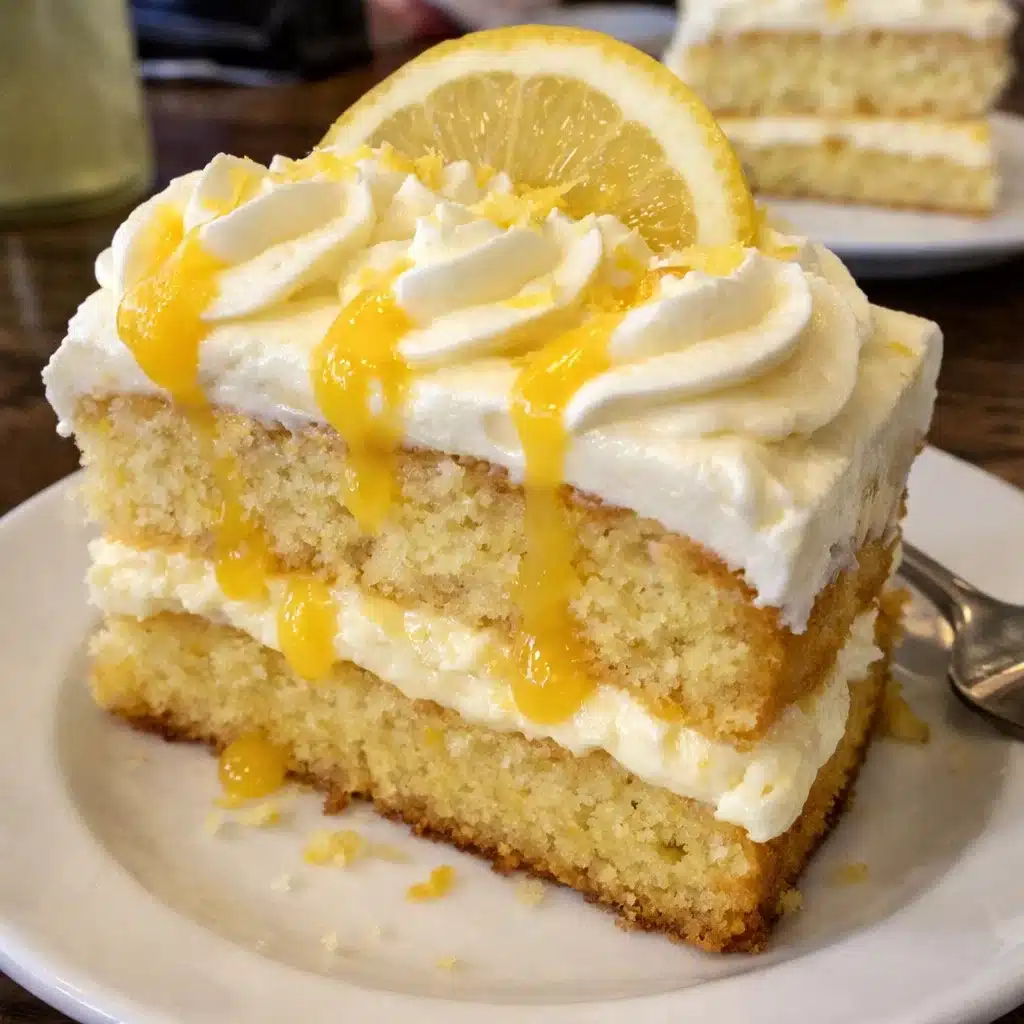
Place your completely cooled cake on a serving plate. Spread the mascarpone frosting evenly over the top using an offset spatula, creating swirls if desired. If using lemon curd, spoon small dollops randomly over the frosting and use a knife or skewer to gently swirl it in for a marbled effect.
For the cleanest slices, refrigerate the frosted cake for 30 minutes before cutting. Use a sharp knife dipped in hot water and wiped dry between each slice for bakery-perfect cuts.
Notes
- Don’t skip the zest-sugar rub: This 30-second step multiplies the lemon flavor exponentially by releasing essential oils.
- Check your baking powder: If it’s over 6 months old, test it by mixing ½ teaspoon with hot water—it should fizz vigorously. Old leavening = flat cake.
- Use a kitchen scale if possible: For the most accurate results, weigh your flour (2 cups = 240g). Too much flour makes a dry cake.
- Oil creates moisture: Unlike butter-based cakes that can dry out, this oil-based cake actually tastes better on day two.
- Keep mascarpone COLD: Take it straight from the fridge. Room temperature mascarpone is more likely to break when whipped.
- Prep Time: 20 minutes
- Cook Time: 40 minutes
- Category: Dessert
- Method: Baking
- Cuisine: Italian
Nutrition
- Serving Size: 1 slice
- Calories: 385
- Sugar: 28g
- Sodium: 165mg
- Fat: 22g
- Saturated Fat: 9g
- Unsaturated Fat: 12g
- Trans Fat: 0g
- Carbohydrates: 40g
- Fiber: 1g
- Protein: 5g
- Cholesterol: 85mg
Ingredients You’ll Need
For the Limoncello Lemon Cake:
- 2 cups all-purpose flour
- 2 teaspoons baking powder
- ½ teaspoon salt
- 1¼ cups granulated sugar
- Zest of 2 lemons (about 2 tablespoons)
- 3 large eggs, room temperature
- ¾ cup olive oil (or vegetable/canola oil)
- ½ cup limoncello liqueur
- ¼ cup fresh lemon juice (about 1–2 lemons)
- ¼ cup sour cream, room temperature (or full-fat Greek yogurt)
For the Mascarpone Frosting:
- 8 oz mascarpone cheese, cold
- 1 cup powdered sugar (also called confectioners’ sugar)
- 2 teaspoons vanilla extract
- 1 cup cold heavy whipping cream
Optional Garnish:
- ¼–½ cup lemon curd (store-bought or homemade)
- Additional lemon zest for topping
- Fresh berries
- Candied lemon slices
Ingredient Notes
Limoncello: This Italian lemon liqueur is the star of the show. Find it in the liquor aisle near other cordials. Brands like Pallini or Caravella work beautifully, but any quality limoncello will do. If you can’t find limoncello or prefer non-alcoholic, substitute with ½ cup lemon juice mixed with 2 tablespoons simple syrup—though you’ll lose some of that complex flavor.
Mascarpone cheese: Look for this Italian cream cheese in the specialty cheese section or near the cream cheese. It’s softer and sweeter than American cream cheese. Don’t substitute regular cream cheese here—the texture and tang are totally different and will affect your frosting.
Olive oil: Use a mild, light olive oil (not extra virgin), as you don’t want a strong olive flavor competing with the lemon. Vegetable or canola oil work as substitutes.
Lemon zest and juice: Always use fresh lemons, never bottled juice. The oils in fresh zest are essential for maximum lemon flavor. Choose organic lemons if possible, especially since you’re using the zest.
Room temperature ingredients: Eggs and sour cream should sit out for 30–60 minutes before baking. This helps them incorporate smoothly and creates a better cake texture.
Heavy cream: Must be cold for the frosting to whip properly. Keep it refrigerated until ready to use.
Step-by-Step Instructions
Step 1: Prep Your Pan and Preheat
Preheat your oven to 350°F (175°C). Grease a 9-inch round cake pan with butter or non-stick spray, then line the bottom with a circle of parchment paper. Grease the parchment too
Step 2: Mix the Dry Ingredients
In a medium bowl, whisk together the flour, baking powder, and salt until well combined. Set aside.
Step 3: Combine Sugar and Lemon Zest
In a large bowl, combine the granulated sugar and lemon zest. Using your fingertips, rub the zest into the sugar for about 30 seconds until fragrant and the sugar looks slightly damp.
Step 4: Beat the Eggs
Add the eggs to the sugar-zest mixture. Using an electric mixer on medium-high speed, beat for 2–3 minutes until the mixture is light, pale yellow, and fluffy.
Step 5: Add Wet Ingredients
With the mixer on low speed, slowly drizzle in the olive oil until fully incorporated. Then add the limoncello, lemon juice, and sour cream, mixing just until combined.
Step 6: Fold in Dry Ingredients
Add the flour mixture to the wet ingredients all at once. Mix on low speed (or fold by hand with a spatula) just until no flour streaks remain. Don’t overmix or your cake will be tough
Step 7: Bake the Cake
Pour the batter into your prepared pan and smooth the top. Bake for 35–45 minutes, or until the top is golden and a toothpick inserted in the center comes out clean or with just a few moist crumbs. Start checking at 35 minutes to avoid overbaking.
Step 8: Cool Completely
Let the cake cool in the pan for 15 minutes, then run a knife around the edges and invert onto a cooling rack. Remove the parchment paper and let cool completely before frosting, at least 1–2 hours. Frosting a warm cake will cause the mascarpone to melt and slide off.
Step 9: Make the Mascarpone Frosting
In a large bowl, beat the cold mascarpone cheese on low speed for about 30 seconds until smooth and creamy. Add the powdered sugar and vanilla extract, mixing on low until just combined.
Step 10: Whip the Cream
With the mixer still on low, slowly pour in the cold heavy cream. Once incorporated, increase the speed to medium and beat for 2–3 minutes until the frosting is fluffy, thick, and holds soft peaks. Watch carefully—overbeating will cause the mascarpone to break and become grainy.
Step 11: Frost and Garnish
Place your completely cooled cake on a serving plate. Spread the mascarpone frosting evenly over the top using an offset spatula, creating swirls if desired. If using lemon curd, spoon small dollops randomly over the frosting and use a knife or skewer to gently swirl it in for a marbled effect.
Step 12: Chill and Serve
For the cleanest slices, refrigerate the frosted cake for 30 minutes before cutting. Use a sharp knife dipped in hot water and wiped dry between each slice for bakery-perfect cuts.
Pro Tips & Cooking Hacks
- Room temperature matters: Cold eggs won’t emulsify properly with the oil, leading to a denser cake. Place eggs in warm water for 5 minutes if you forgot to set them out.
- Don’t skip the zest-sugar rub: This 30-second step multiplies the lemon flavor exponentially by releasing essential oils.
- Check your baking powder: If it’s over 6 months old, test it by mixing ½ teaspoon with hot water—it should fizz vigorously. Old leavening = flat cake.
- Use a kitchen scale if possible: For the most accurate results, weigh your flour (2 cups = 240g). Too much flour makes a dry cake.
- Oil creates moisture: Unlike butter-based cakes that can dry out, this oil-based cake actually tastes better on day two.
- Keep mascarpone COLD: Take it straight from the fridge. Room temperature mascarpone is more likely to break when whipped.
- Whip frosting in short bursts: Stop and check the consistency every 30 seconds once you increase speed. Once it’s thick and fluffy, stop immediately.
- Level your cake for a professional look: If your cake domed in the oven, use a serrated knife to slice off the top for a flat surface to frost.
- Make it boozy: Poke holes in the warm cake with a skewer and brush with extra limoncello for an adult version.
Tips & Variations
Storage: Store leftover cake covered in the refrigerator for up to 4 days. The mascarpone frosting must be kept cold. Bring slices to room temperature for 15 minutes before serving for the best texture and flavor.
Make-ahead: Bake the cake layers up to 2 days in advance. Wrap tightly in plastic wrap and store at room temperature. Make the frosting the day of serving for the best texture, though it can be made 24 hours ahead and refrigerated.
Gluten-free option: Substitute the all-purpose flour with a 1:1 gluten-free baking flour blend (like King Arthur Measure for Measure or Bob’s Red Mill). The texture will be slightly more delicate but still delicious.
Double layer cake: Double the entire recipe and bake in two 9-inch pans for 25–30 minutes each. Stack with frosting in between for an impressive layer cake. You may need to make 1.5x the frosting amount.
Dairy-free twist: This one’s tricky since mascarpone is essential, but you can try substituting with whipped coconut cream mixed with powdered sugar for the topping—just note it won’t taste the same.
Berry variation: Fold ½ cup fresh blueberries or raspberries into the batter before baking for bursts of fruit flavor.
Serving Suggestions
This limoncello mascarpone cake is stunning served on its own, but it truly shines alongside fresh berries like raspberries, blueberries, or sliced strawberries that complement the citrus notes. For an elegant brunch spread, pair it with a hot cup of espresso or cappuccino, or serve it as a light dessert after a heavy Italian meal with a glass of sweet dessert wine like Moscato d’Asti or limoncello digestif. The bright, refreshing flavors make it ideal for spring and summer entertaining.
For a beautiful presentation, dust the top with powdered sugar, add candied lemon slices, or scatter fresh edible flowers like pansies or violets around the plate. If you’re hosting a crowd, serve with a dollop of barely sweetened whipped cream or a scoop of vanilla gelato on the side.
Common Mistakes
- Overmixing the batter: Once you add the flour, mix only until just combined. Overmixing develops gluten and creates a tough, dense cake instead of a tender crumb.
- Overbaking: Check your cake at 35 minutes and trust the toothpick test. Even 5 extra minutes can dry out the cake. A few moist crumbs on the toothpick are perfect.
- Frosting a warm cake: This is the #1 mistake. The mascarpone will melt into a puddle. Always wait until the cake is completely cool to room temperature.
- Overwhipping the mascarpone frosting: Unlike buttercream that can handle vigorous beating, mascarpone will break and become grainy if whipped too long. Stop as soon as it holds soft peaks.
- Using extra virgin olive oil: The strong, peppery flavor will compete with the delicate lemon. Use light olive oil or a neutral oil instead.
- Skipping the parchment paper: Even in a greased pan, cakes can stick. The parchment circle guarantees easy release every time.
- Using bottled lemon juice: Fresh is non-negotiable for maximum flavor. Bottled juice tastes flat and artificial in comparison.
What to Serve With Limoncello Mascarpone Cake
This cake is incredibly versatile and fits beautifully into both casual family dinners and elegant dinner parties. For a classic Italian-inspired menu, serve it after a light pasta primavera, grilled lemon chicken, or seafood dish where the citrus flavors echo throughout the meal. It’s also perfect for brunch spreads alongside quiche, fresh fruit salad, and mimosas—the bright lemon notes wake up your palate.
The cake’s sophisticated yet not-too-heavy nature makes it ideal for spring showers, Easter celebrations, Mother’s Day, or summer garden parties. If you’re looking for beverages, pair it with hot coffee, iced tea with lemon, prosecco, or a limoncello cocktail to double down on that gorgeous citrus flavor.
Frequently Asked Questions
Can I make this cake without alcohol?
Yes! Replace the limoncello with a mixture of ½ cup fresh lemon juice and 2 tablespoons simple syrup (or honey). You’ll lose some of the complex depth that limoncello provides, but you’ll still have a delicious lemon cake. You can also use non-alcoholic limoncello if you can find it.
Can I freeze this cake?
You can freeze the unfrosted cake for up to 3 months. Wrap it tightly in plastic wrap, then aluminum foil. Thaw overnight in the refrigerator before frosting. Do not freeze the frosted cake, as the mascarpone frosting doesn’t freeze well and will become watery when thawed.
Why did my mascarpone frosting turn grainy?
This happens when the mascarpone is overbeaten or too warm. Mascarpone has a lower fat content than butter and breaks easily. Make sure your mascarpone is cold from the fridge, beat on low to medium speed only, and stop as soon as it reaches soft peaks. If it does break, you can try whisking in 1–2 tablespoons of cold heavy cream by hand to bring it back together.
Can I use cream cheese instead of mascarpone?
Not for this recipe. Cream cheese is much tangier and firmer than mascarpone, and it will completely change the flavor and texture of the frosting. Mascarpone has a sweet, delicate flavor and creamy texture that’s essential to this dessert. If you can’t find mascarpone, consider making a different frosting like whipped cream or cream cheese frosting instead.
How do I know when the cake is done?
Insert a toothpick or cake tester into the center of the cake. It should come out clean or with just a few moist crumbs—not wet batter. The top should be golden brown and spring back lightly when touched. The cake will also start to pull away slightly from the sides of the pan. Start checking at 35 minutes to avoid overbaking.
💬 Tried this recipe? Leave a comment and rating below! I love hearing about your baking adventures and any fun variations you tried.