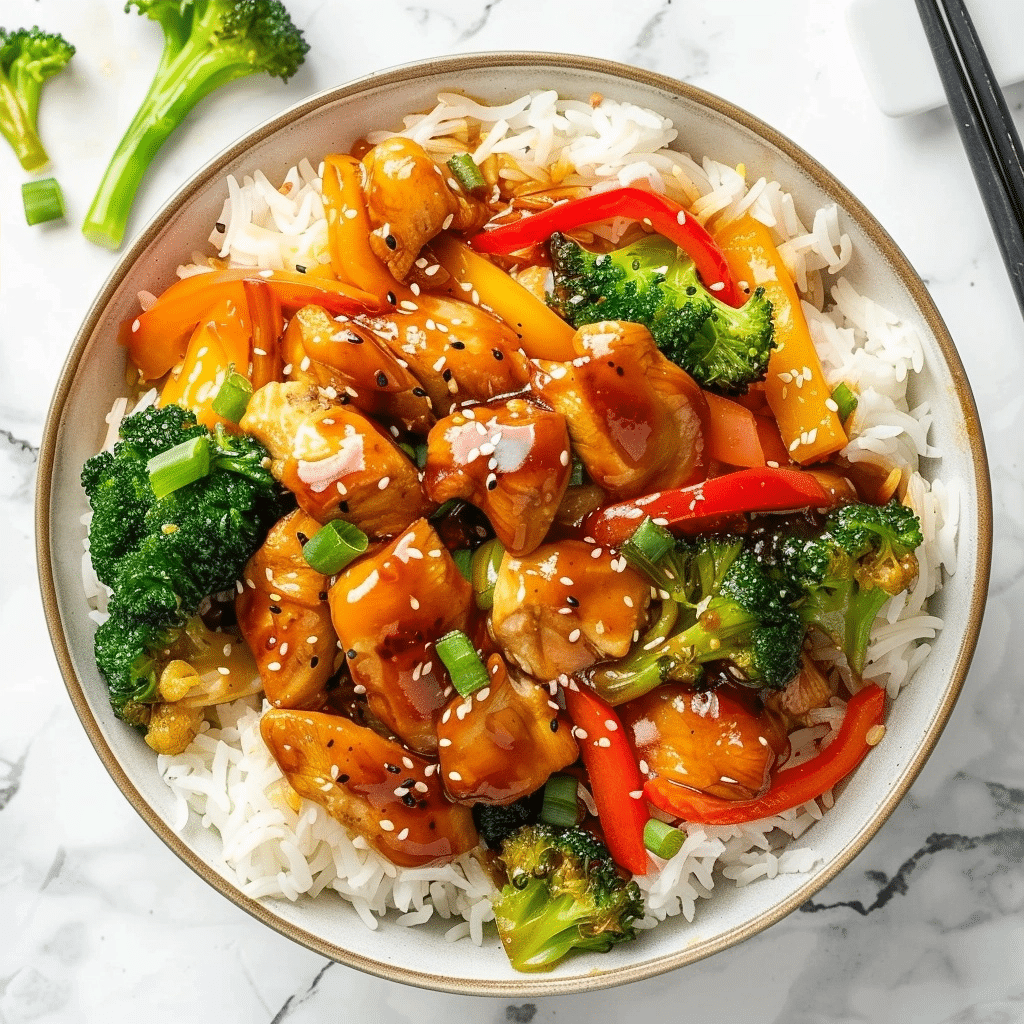
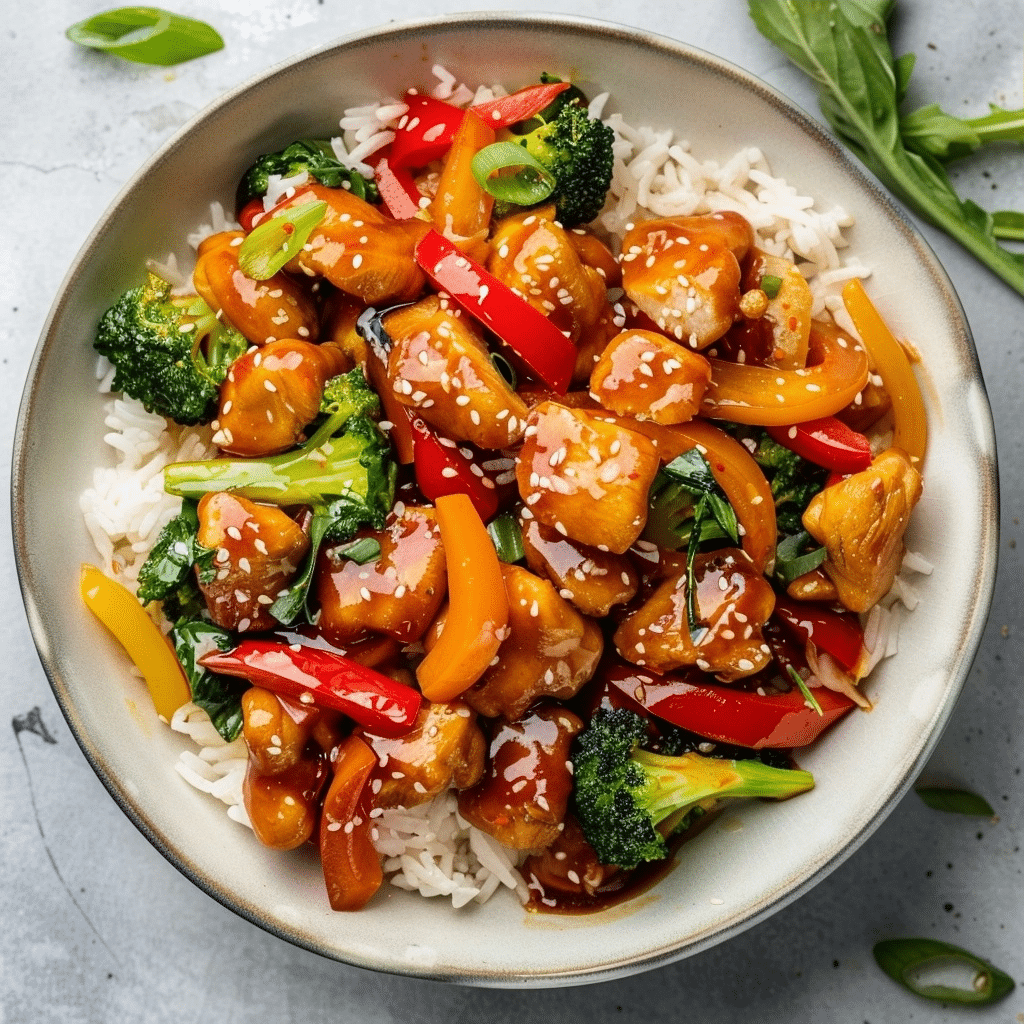
Teriyaki chicken stir fry is a savory, balanced meal featuring bite-sized pieces of protein tossed in a house-made glaze with fresh, colorful vegetables. This flavorful combination relies on high-heat cooking to ensure the meat remains tender while the vegetables maintain a satisfying, crisp bite. You will find that this dish serves as a perfect solution for busy weeknights when you need a nutritious, restaurant-style meal ready in minutes.
Recipe Overview
| Prep Time | 15 minutes |
|---|---|
| Cook Time | 15 minutes |
| Total Time | 30 minutes |
| Servings | 4 servings |
| Difficulty | Easy |
| Cuisine | Asian-Inspired |
Why You’ll Love This Recipe
-
It comes together in under thirty minutes from start to finish.
-
You control the sodium level by using fresh ingredients and low-sodium soy sauce.
-
It provides a high-protein dinner that keeps you full for hours.
-
The homemade sauce tastes significantly better than pre-bottled supermarket versions.
-
Clean-up requires only one large skillet or wok, saving you time in the kitchen.
Equipment Needed
-
Large skillet or wok
-
Small whisk
-
Mixing bowl
-
Measuring cups and spoons
-
Kitchen tongs
-
Chef knife and cutting board
Ingredients You’ll Need
-
2 boneless, skinless chicken breasts, cut into bite-sized pieces
-
½ teaspoon garlic powder
-
Black pepper, to taste
-
3 tablespoons cornstarch
-
3 tablespoons olive oil, divided
-
½ medium onion, sliced
-
2 cups broccoli florets
-
½ red bell pepper, sliced
-
½ cup chicken broth
-
3 tablespoons mirin
-
2 tablespoons low-sodium soy sauce
-
1 teaspoon rice vinegar
-
¼ cup packed brown sugar
-
1 teaspoon fresh ginger, grated
-
2 cloves garlic, minced
-
1 tablespoon cornstarch (for sauce)
-
Optional Garnish: Sesame seeds and green onions
Ingredient Notes
Chicken breasts are the primary protein source for this recipe because they cook quickly and absorb the sauce effectively. Ensure you cut the meat into uniform, bite-sized pieces to promote even cooking throughout the process.
The base of the sauce relies on low-sodium soy sauce and mirin. By using low-sodium soy sauce, you maintain control over the total salt content without sacrificing the characteristic umami depth needed for a traditional flavor profile.
Broccoli and red bell peppers provide essential texture and a vibrant visual appeal. These vegetables work best when cooked only until tender-crisp to ensure they do not become mushy during the brief final stir-fry stage.
How These Ingredients Work
The cornstarch coating on the chicken creates a protective barrier that seals in juices during the high-heat searing process. This technique prevents the meat from drying out while providing a textured surface that clings to the sauce.
The sauce employs a blend of sugar and vinegar to create a balanced sweet and tangy profile. Cornstarch added to the sauce mixture acts as a thickening agent, turning the liquid into a silky glaze that coats every vegetable and piece of protein perfectly.
Step-by-Step Instructions
Step 1: Create the Sauce
In a small bowl, whisk together the chicken broth, mirin, soy sauce, rice vinegar, brown sugar, ginger, garlic, and cornstarch until the mixture is smooth and free of lumps. Set this aside to allow the flavors to meld while you prepare the main ingredients.
Step 2: Season the Chicken
Pat the chicken pieces dry before seasoning them with the garlic powder and black pepper to ensure the coating adheres correctly. Toss the seasoned chicken with the cornstarch until every piece is evenly coated for a uniform, crisp exterior.
Step 3: Sear the Protein
Heat two tablespoons of olive oil in a large skillet or wok over medium-high heat. Cook the chicken in two batches for three to four minutes per side until golden brown and cooked through, then transfer the pieces to a clean plate.
Step 4: Sauté the Vegetables
Add the remaining tablespoon of oil to the same skillet and introduce the onion slices, cooking for one minute. Introduce the broccoli and red bell pepper into the pan and stir frequently for three to four minutes until they reach a tender-crisp stage.
Step 5: Finish the Dish
Return the cooked chicken to the skillet, then give the prepared sauce a quick whisk before pouring it over the mixture. Stir the contents continuously for sixty seconds until the sauce thickens; remove from heat immediately and garnish with sesame seeds or green onions to serve.
Pro Tips & Cooking Hacks
-
Always pat the chicken dry before coating it with cornstarch for better adhesion.
-
Do not overcrowd the skillet while searing, as this causes the chicken to steam instead of brown.
-
Slice vegetables into uniform sizes to ensure they finish cooking at the same time.
-
Keep a small bowl of water nearby to adjust the sauce thickness if it becomes too tacky.
-
Prep all ingredients before starting the heat to ensure a smooth cooking flow.
Tips & Variations
You can easily swap the chicken for thin slices of beef or even firm tofu for a vegetarian twist. Ensure you adjust the cooking times accordingly, as beef might require less time while tofu requires a bit more to achieve a crisp crust.
Dietary adjustments are simple with this base recipe, such as using gluten-free tamari instead of soy sauce. If you prefer a lower-sugar option, replace the brown sugar with a high-quality sugar-free alternative suitable for heating.
Serving Suggestions
Present this dish over a bed of fluffy jasmine rice or brown rice to soak up the leftover ginger-infused sauce. For a lighter evening meal, serve the stir fry over a bed of steamed bok choy or cauliflower rice.
Common Mistakes to Avoid
Cutting the chicken into uneven pieces leads to some parts drying out while others remain undercooked. Always aim for consistent, one-inch chunks to maintain a uniform texture throughout the final dish.
Adding the sauce too early can prevent the vegetables and chicken from achieving a proper sear. Wait until the vegetables are tender-crisp before finishing with the sauce to ensure the best flavor and texture contrast.
Skipping the cornstarch makes the sauce too thin to coat the ingredients effectively. Ensure you fully whisk the cornstarch into the liquid ingredients to avoid powdery clumps in your final sauce.
Using a skillet that is not hot enough causes the chicken to release juices prematurely. Allow the oil to shimmer before adding the meat to guarantee a high-quality, crisp-edged result.
Frequently Asked Questions
Can I make this stir fry ahead of time?
You can store the cooked dish in an airtight container for up to three days, though it is freshest when served immediately. Reheat by adding a splash of water or broth to the pan to loosen the thickened sauce.
Why is my chicken rubbery instead of crisp?
Rubbery chicken usually results from overcooking or failing to use a hot enough pan for the initial sear. Ensure your skillet is at medium-high heat and work in smaller batches to maintain the ideal temperature throughout the process.
How do I substitute the mirin if I do not have it?
You can substitute mirin with an equal amount of white grape juice mixed with a squeeze of lemon juice for a similar acidity profile. This provides the necessary sugar and tang to mimic the authentic taste of the sauce.
Conclusion
Teriyaki chicken stir fry offers a reliable path to a delicious home-cooked dinner without the need for expensive takeout. By mastering the sequence of searing the protein and quickly glazing it with a vibrant, ginger-forward sauce, you gain a versatile kitchen staple.
Print
Teriyaki Chicken Stir Fry
- Total Time: 30
- Yield: 4 servings 1x
- Diet: Dairy-Free
Description
A savory, balanced meal featuring bite-sized pieces of tender chicken tossed in a delicious house-made zesty glaze with fresh, colorful vegetables. This high-protein, Asian-inspired dish is perfect for busy weeknights, offering a restaurant-quality flavor that is quick and simple to prepare in one single skillet.
Ingredients
2 boneless, skinless chicken breasts, cut into bite-sized pieces
0.5 teaspoon garlic powder
Black pepper, to taste
3 tablespoons cornstarch
3 tablespoons olive oil, divided
0.5 medium onion, sliced
2 cups broccoli florets
0.5 red bell pepper, sliced
0.5 cup chicken broth
3 tablespoons mirin (non-alcoholic cooking rice wine)
2 tablespoons low-sodium soy sauce
1 teaspoon rice vinegar
0.25 cup packed brown sugar
1 teaspoon fresh ginger, grated
2 cloves garlic, minced
1 tablespoon cornstarch (for sauce)
Optional Garnish: Sesame seeds and green onions
Instructions
In a mixing bowl, toss the chicken pieces with garlic powder, black pepper, and 3 tablespoons of cornstarch until evenly coated.
Heat 1.5 tablespoons of olive oil in a large skillet or wok over medium-high heat.
Add the chicken to the skillet and cook until golden brown and cooked through, then remove and set aside.
In the same skillet, add the remaining oil, then sauté the onions, broccoli, and red bell peppers for 3-5 minutes until tender-crisp.
In a small bowl, whisk together chicken broth, mirin, soy sauce, rice vinegar, brown sugar, ginger, minced garlic, and the remaining 1 tablespoon of cornstarch.
Add the chicken back into the skillet along with the prepared sauce.
Stir continuously over medium-high heat for 1-2 minutes until the sauce thickens and coats the chicken and vegetables evenly.
Serve warm, topped with optional sesame seeds and green onions.
Notes
Ensure chicken is cut into uniform sizes for even cooking. For a thicker sauce, let it simmer for an extra minute. Store leftovers in an airtight container for up to 3 days. Use non-alcoholic mirin to ensure the recipe remains strictly free of alcohol.
- Prep Time: 15
- Cook Time: 15
- Category: Chicken Dinner
- Method: Stir-frying
- Cuisine: Asian-Inspired
Nutrition
- Serving Size: 1.5 cups
- Calories: 320
- Sugar: 12g
- Sodium: 480mg
- Fat: 11g
- Saturated Fat: 1.5g
- Carbohydrates: 35g
- Fiber: 3g
- Protein: 26g
- Cholesterol: 65mg